Station House Awards · buyer guide
Retirement gifts and station record boards compared
For worldwide Station House Awards orders, choose a retirement gift for the individual’s take-home appreciation and a station board entry for a continuing institutional record. Their wording, ownership and later-update rules differ. If the ceremony includes both, count two physical pieces per approved pair and release separate proofs for their respective uses.
Reviewed 2026-09-05 · AI-assisted editorial review. General buying guidance; illustrative scenarios are not customer case studies. Images are AI-generated concepts.
A retirement gift marks a person’s transition and usually has a defined recipient. A station record board stays with an organization and may need later additions or corrections. Ask which role each object is meant to serve before selecting a shared design. One cannot automatically replace the other: a personal plaque does not maintain a station’s ongoing recognition list, and a board entry may not satisfy the organizer’s intention to give a retiree something to keep. If both are wanted, create two linked order rows. The recipient can be recognized in both places, but the wording, ownership and future use should be approved independently. This keeps a convenient combined order from blurring two different purposes.
How do you write the retirement dedication for its personal owner?
Ask the gift organizer what the retiree should understand when viewing the piece at home. Use the approved name, occasion and presenting group, with any service statement confirmed by the authorized department contact. A message from colleagues can be warm without implying an official commendation.
Avoid copying a board entry’s abbreviated format if it makes the personal gift feel like an unexplained personnel record. Conversely, do not turn a retirement plaque into a full career history simply because more text can be supplied. Choose the details that support the intended dedication and place longer memories in a letter or spoken tribute. The final inscription should remain understandable away from the station and the ceremony program.

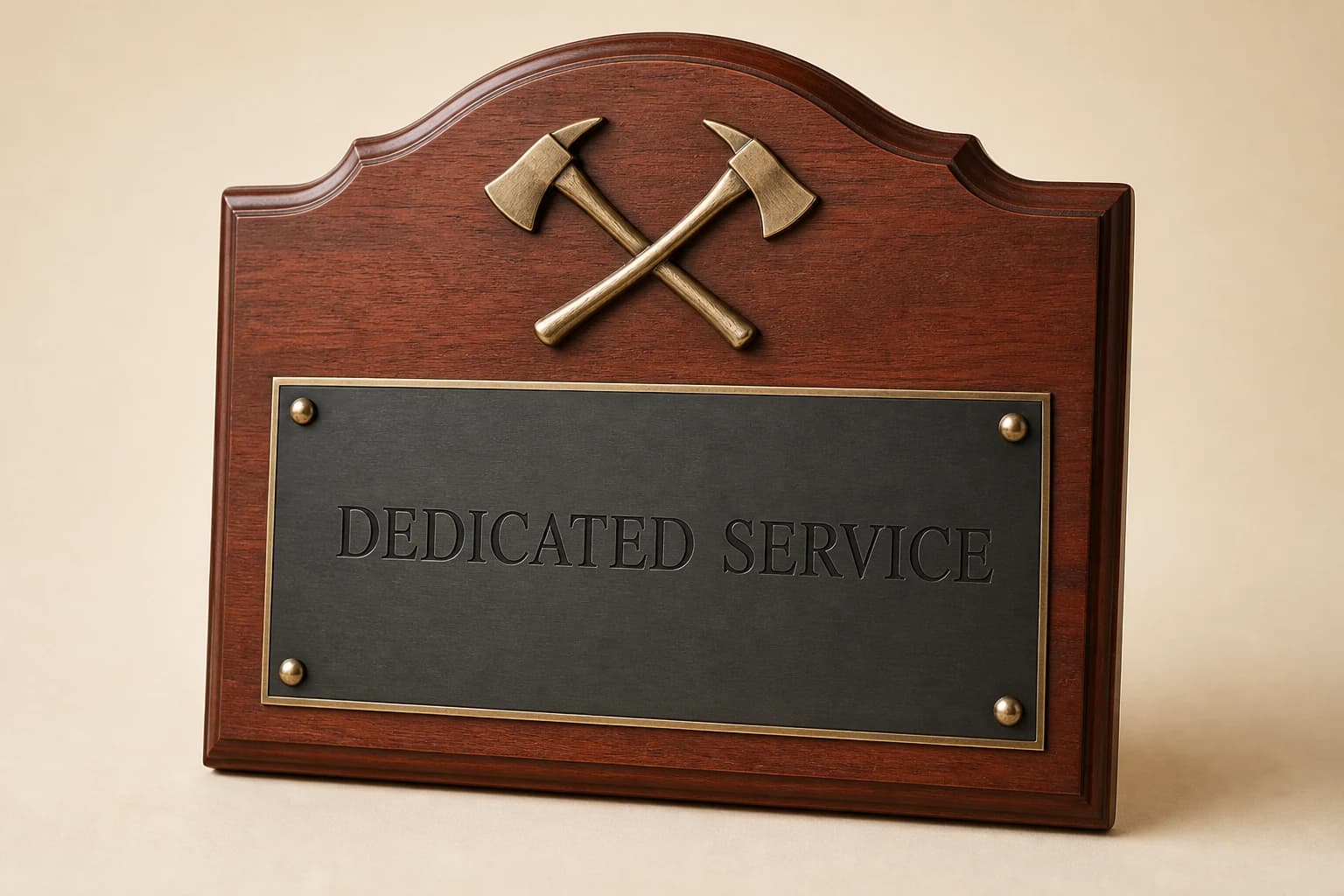
How do you define what the station board actually records?
Ask the department owner whether the board recognizes retirees, service milestones, a particular award or another approved category. That definition determines which entries belong and how they should be labeled. Do not use the board as a source for current staffing, operational readiness or emergency information.
It is a recognition display with its own approved scope. Provide the designer with the authorized entry and category rather than asking production to infer eligibility from employment dates. If a person appears in several categories, decide whether multiple entries are intentional. Keep those decisions in the station’s own record so a future coordinator can understand why the board contains the entries it does.
How do you compare one-time personalization with recurring components?
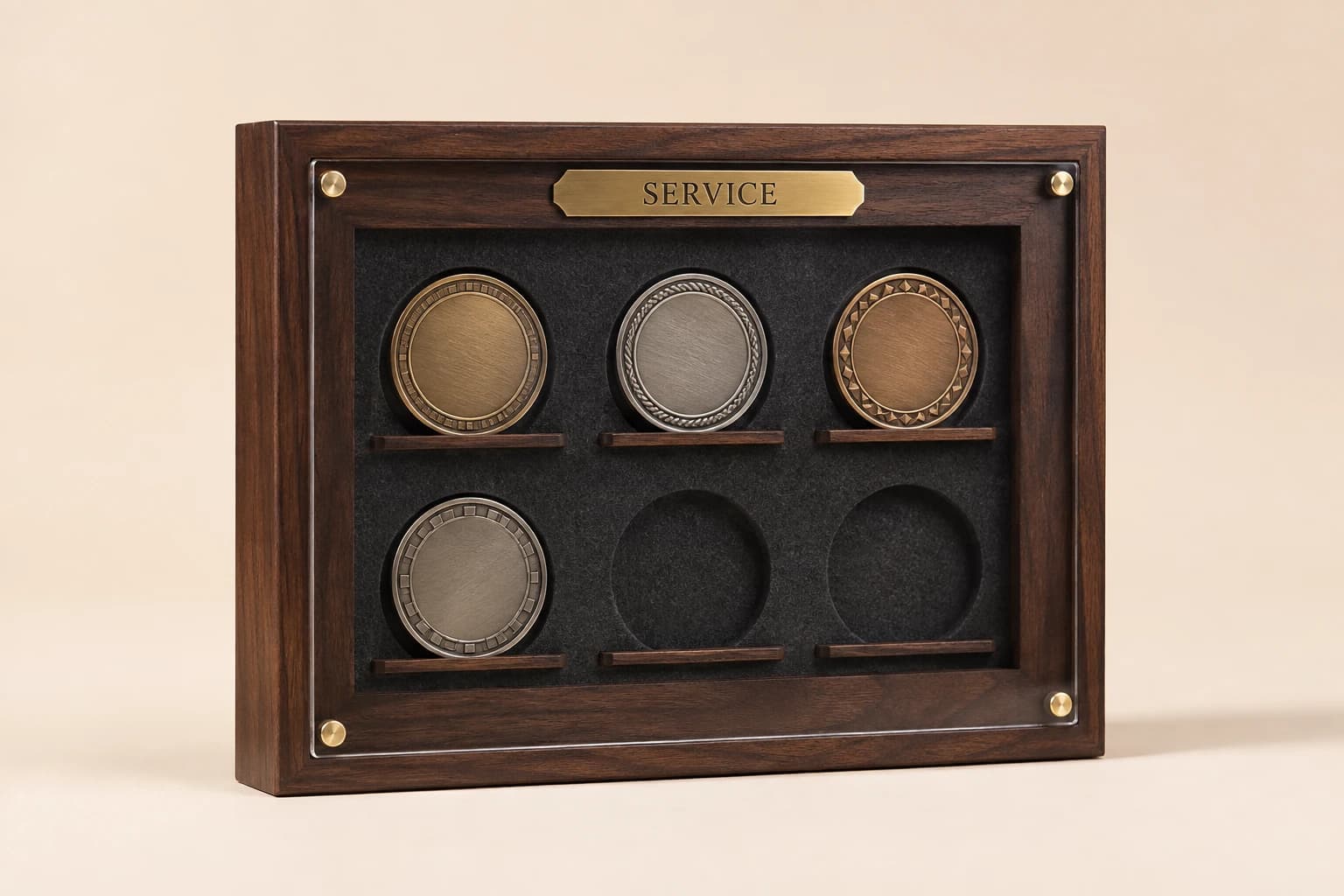
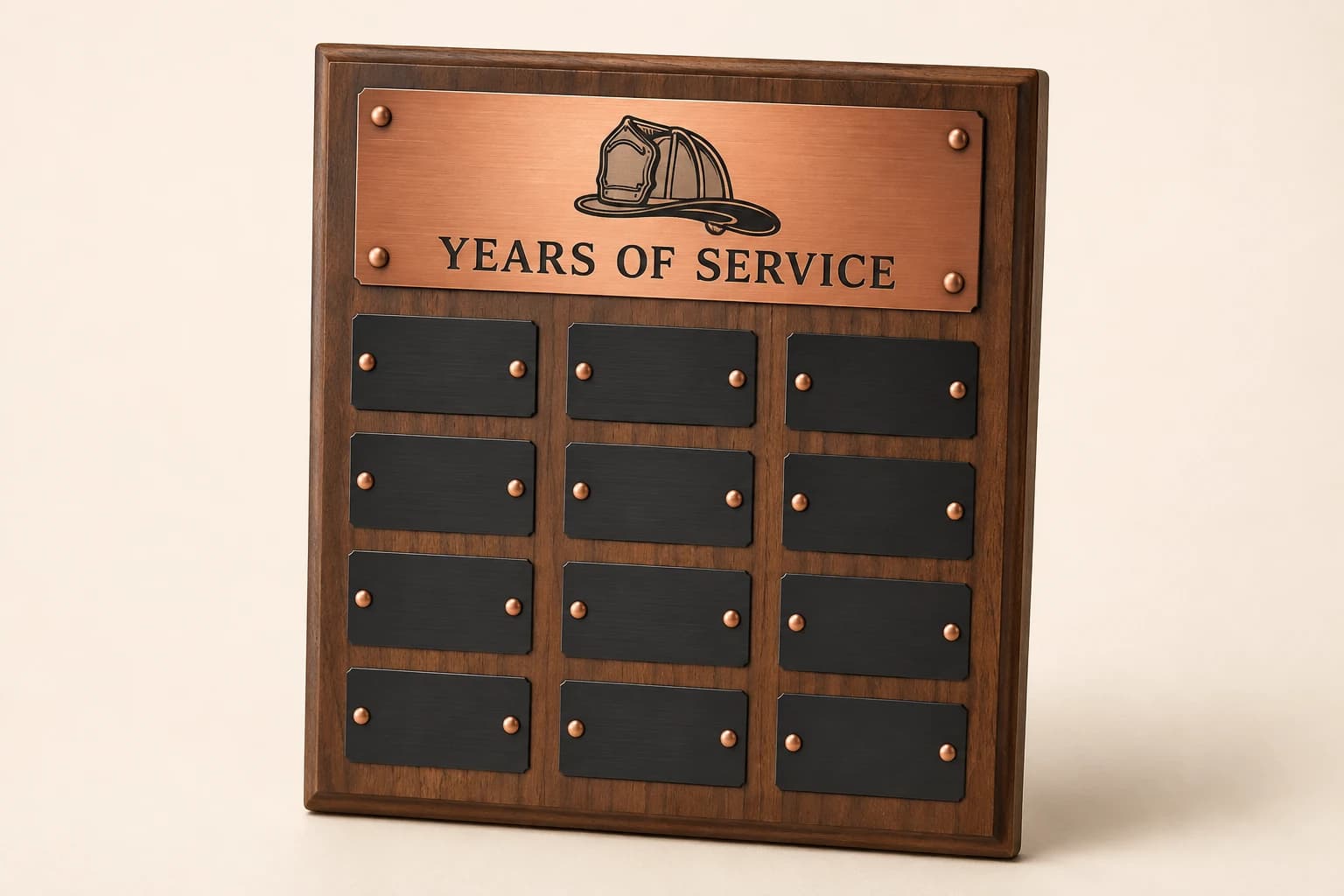
A personal retirement plaque may be complete after one approved inscription. A station board may require compatible nameplates or another update process over several cycles. Ask the supplier to identify the actual replaceable component, its dimensions and the information needed for a reorder.
A board that looks modular does not automatically guarantee that later plates can be supplied in the same construction. Retain the proposed component references and an approved layout. If the existing board has limited space, discuss how the next entries would be handled before ordering a single plate that postpones the problem. Capacity planning belongs to the board, while the personal gift can remain a separate one-time decision.
PlaqueMaker describes reordering individual plates for its perpetual plaques.
Sources: PlaqueMaker: Custom Perpetual Plaques and Name Plates
How do you keep the two proof formats linked but distinct?
Review the retiree’s display name across both objects, then check the different occasion and context lines. A board may use a compact service-year entry while the gift uses a fuller dedication; those differences can be intentional. Mark them explicitly so a well-meaning reviewer does not make one proof match the other mechanically.
A correction to the name should be considered on both, while a change to a private gift message may affect only the personal piece. Assign separate proof identifiers and one coordinator who can describe the scope of each change. This prevents the wrong template from being applied to a replacement plate or a personal gift during final production preparation.
Count paired retirement gifts and station entries
Load the fictional example, then replace its inputs with the reviewed details for your project.
Method: Multiply the entered units by pieces per unit, then add explicitly entered extra category pieces and spares. The result counts inputs without deciding recognition eligibility or product inclusions.
Build your plan
Set spares yourself. This calculates the quantities you enter; it does not assume a recommended buffer.
Use the article’s example files
Sample rows are illustrative and are not production instructions. Replace their assumptions, keep private records separately and complete the approval fields before using the sheet for a real order.
How do you separate receiving and permanent custody?
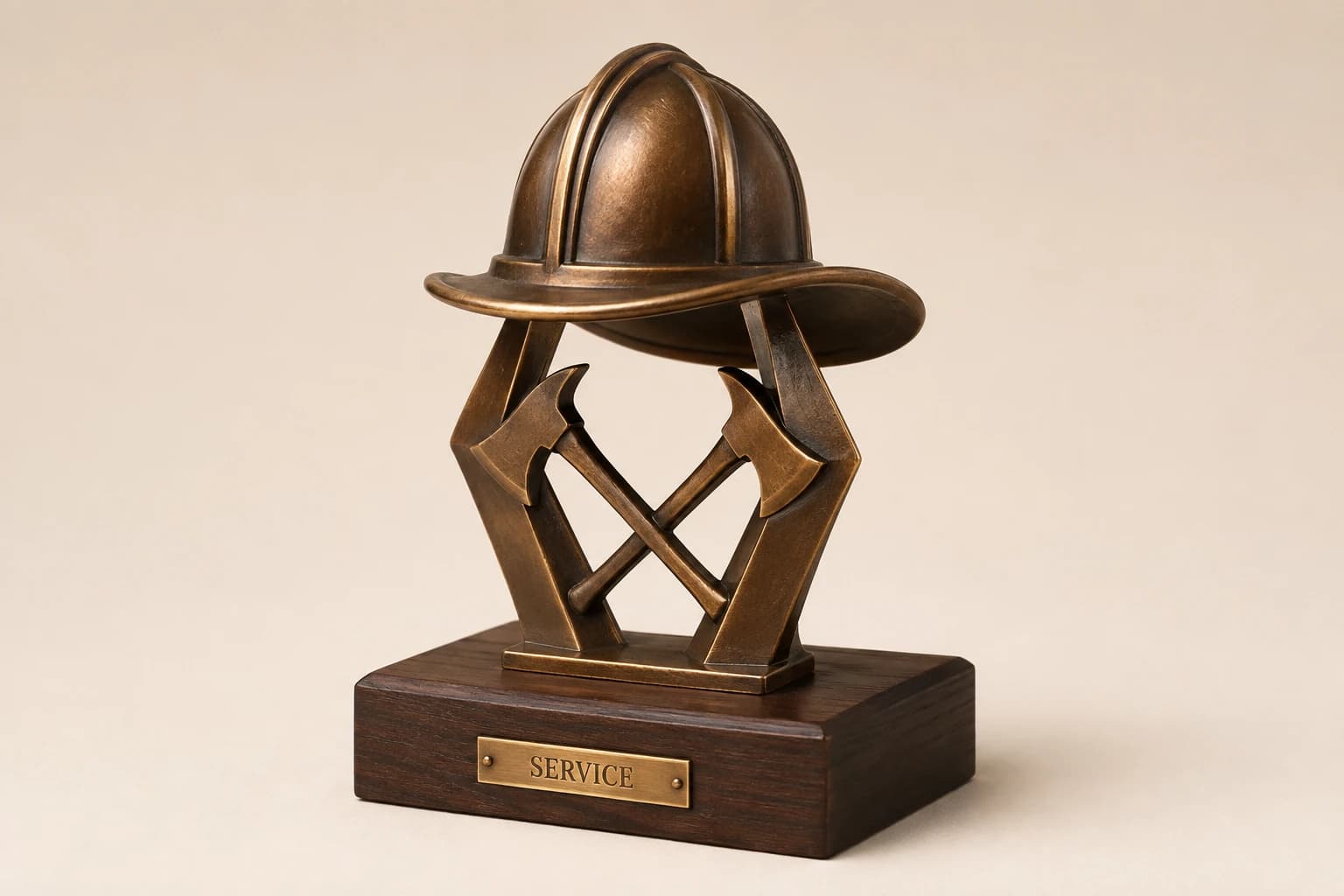
The retirement gift may go to the ceremony organizer and then the retiree, while the board component goes to a station custodian or installer. Put those destinations on the packing record. A board plate accepted on stage by a retiree does not necessarily become that person’s property.
Likewise, a personal gift should not remain in station storage simply because it was delivered with institutional components. Confirm any required installation review for the actual board and location. After the ceremony, reconcile the personal handoff and the board update separately. A delivered carton containing both objects does not establish that either reached its intended final use.
How do you plan a later correction without rewriting the occasion?
Retain the retirement gift’s approved historical wording and the board’s current position record. If a later name correction is authorized, identify which objects and components are affected. Do not automatically change the retirement date to the year of a replacement order.
If the station changes its recognition categories, have the department owner decide how historical entries should be treated before production receives new headings. The personal gift may remain unchanged even when the board evolves. Separate records make these choices visible and help a future coordinator request the correct item. The two products can share artwork and purchasing efficiencies while preserving the different stories they are intended to tell.
How do you consider a gift without a new board entry?
A retiree may already have an appropriate entry on a station display, while the current ceremony still calls for a personal gift. Ask the station owner whether the board needs a new entry, a replacement or no change. Do not count a second institutional component solely because the purchasing worksheet pairs every gift with a board plate.
Conversely, a station may authorize a board update for someone whose family arranges the personal gift separately. Record those exceptions before applying a pieces-per-person multiplier. The purchasing total should reflect the actual approved components, while the recognition record explains the people and occasions behind them. This avoids both duplicate board entries and personal gifts that disappear from the count when an institutional component is unnecessary.
How does this illustrative planning example work?
In a fictional station project, four retirees each receive one personal gift, and the station also orders four corresponding board-entry components. The total is eight physical pieces, not four, even though only four people are recognized. The packing sheet separates take-home gifts from station-owned entries, and each pair has distinct proof identifiers.
For four fictional retirees, enter four people and two pieces per person: one take-home retirement gift and one corresponding station-board entry. With no additional pieces and no spares, four times two equals eight. The calculator combines the inventory, while the worksheet separates the four personal gifts from the four station-owned components. If one board entry is already present and needs no replacement, change the count using a revised component schedule rather than deleting that person’s retirement gift.
Personal retirement gift or Station record board: which fits the intended recognition?
A personal retirement gift addresses the recipient and moves to that person’s chosen display. A station record board keeps a defined entry within an ongoing institutional arrangement. Compare who owns each object and what its wording records; a shared retiree name can connect the proofs without making their complete inscriptions identical.
| Option | Personal retirement gift | Station record board |
|---|---|---|
| Best reason to choose it | Choose this for a defined recipient who will keep the approved dedication after the ceremony. | Choose this for an organization-owned recognition display with an approved scope and update process. |
| Main review question | Does the message fit the retiree’s occasion and intended display setting? | What entries belong, who controls them and how are later components added or corrected? |
| What to specify | Specify the personal inscription, presenting group, packaging and final recipient. | Specify the board category, entry format, position schedule, component references and station custodian. |
| Later change | A personal copy preserves the retirement occasion unless the recipient approves a revised dedication. | A board correction follows the station’s record policy and retained component reference rather than the gift’s private message. |
What should the organizer confirm before ordering?
Confirm whether the station needs a continuing record entry as well as a personal gift. The same retiree can connect two proofs and two owners without making their wording identical. Count the actual paired pieces, then keep institutional custody and the recipient’s take-home handoff distinct through the ceremony.
How should paired gifts and board entries be quoted?
Ask Station House Awards to price the personal gifts and board-entry components as separate physical groups, including dimensions, personalization, compatibility review and shipping. Request the applicable minimum or range for the complete scope. Four retirees receiving both items create eight pieces in the example, even though the underlying recognition list contains four people.
Should the board use the gift’s full dedication?
Use the station’s approved record format rather than copying the personal dedication automatically. The gift may speak directly to the retiree, while the board needs a concise institutional entry consistent with its purpose. Keep the shared name and approved facts linked, but review the text hierarchy and complete wording separately.
Does every retirement gift require a new board entry?
Only add an entry when the station’s responsible custodian confirms it belongs in the board’s defined record. A board may document a category different from the gift program or already contain the relevant entry. Keep that policy decision visible instead of using the gift recipient list as automatic authorization for additional components.
Who owns the paired pieces after the ceremony?
The personal gift belongs to its approved recipient, while the board component remains with the station’s designated custodian. Record both destinations in the packing schedule. A shared presentation moment does not establish shared ownership, and the coordinator should keep the institutional piece from being packed into the retiree’s take-home gift by mistake.
How should a later correction affect the two records?
Identify which piece contains the incorrect field and obtain the relevant wording approval before ordering a replacement. The historical gift dedication and the current station record can have different update purposes. Do not rewrite both automatically simply because they refer to the same person or were purchased in one batch.
Sources and scope
The sources below support the cited technical details. The ordering workflows are editorial recommendations. Your project specification, price and schedule are established in the written quote and approved proof.
- PlaqueMaker: Custom Perpetual Plaques and Name Plates · checked 2026-09-05
Which buying guide should you read next?
All buying guidesFor worldwide Station House Awards orders, match a replacement nameplate to the identified existing board or holder, using written measurements and the approved text hierarchy. Confirm whether the request corrects wording, replaces damage or adds an entry. The physical interface and visual match need separate review before several plates share one specification.
For worldwide Station House Awards orders, label the firefighter’s role and each service period by what they actually describe. Department service, station assignment, retirement and presentation dates can differ. Ask the authorized reviewer to approve their meaning before refining abbreviations or calculating any tenure total for the finished recognition gift.