Station House Awards · buyer guide
Matching replacement firefighter nameplates
For worldwide Station House Awards orders, match a replacement nameplate to the identified existing board or holder, using written measurements and the approved text hierarchy. Confirm whether the request corrects wording, replaces damage or adds an entry. The physical interface and visual match need separate review before several plates share one specification.
Reviewed 2026-09-05 · AI-assisted editorial review. General buying guidance; illustrative scenarios are not customer case studies. Images are AI-generated concepts.
Begin with a location identifier and photographs of the existing board or holder. A station may have several displays acquired in different years that look similar but use different components. State whether the replacement is for a damaged plate, a corrected inscription or a newly approved entry. Those requests can require different artwork and count decisions. Do not order from a generic description such as the usual firefighter plate unless the current component reference is known and verified. Ask the station custodian to identify which board and position are affected. The replacement brief should point to a real existing object rather than rely on a colleague’s memory of an earlier purchase.
How do you measure the visible plate and the mounting interface?
Record the overall plate dimensions, the visible area and any relevant attachment positions or holder constraints. Use consistent units and distinguish confirmed measurements from estimates. A front photograph can help match placement and text hierarchy, while side or rear views may explain the interface if they can be obtained appropriately.
Ask the proposed supplier or installer which details are needed for this actual component. Do not prescribe a universal adhesive or fastener from a product category. If removing the old plate would affect the board, have the responsible person approve the project-specific method. The buyer’s role is to supply accurate conditions so compatibility can be reviewed before production.

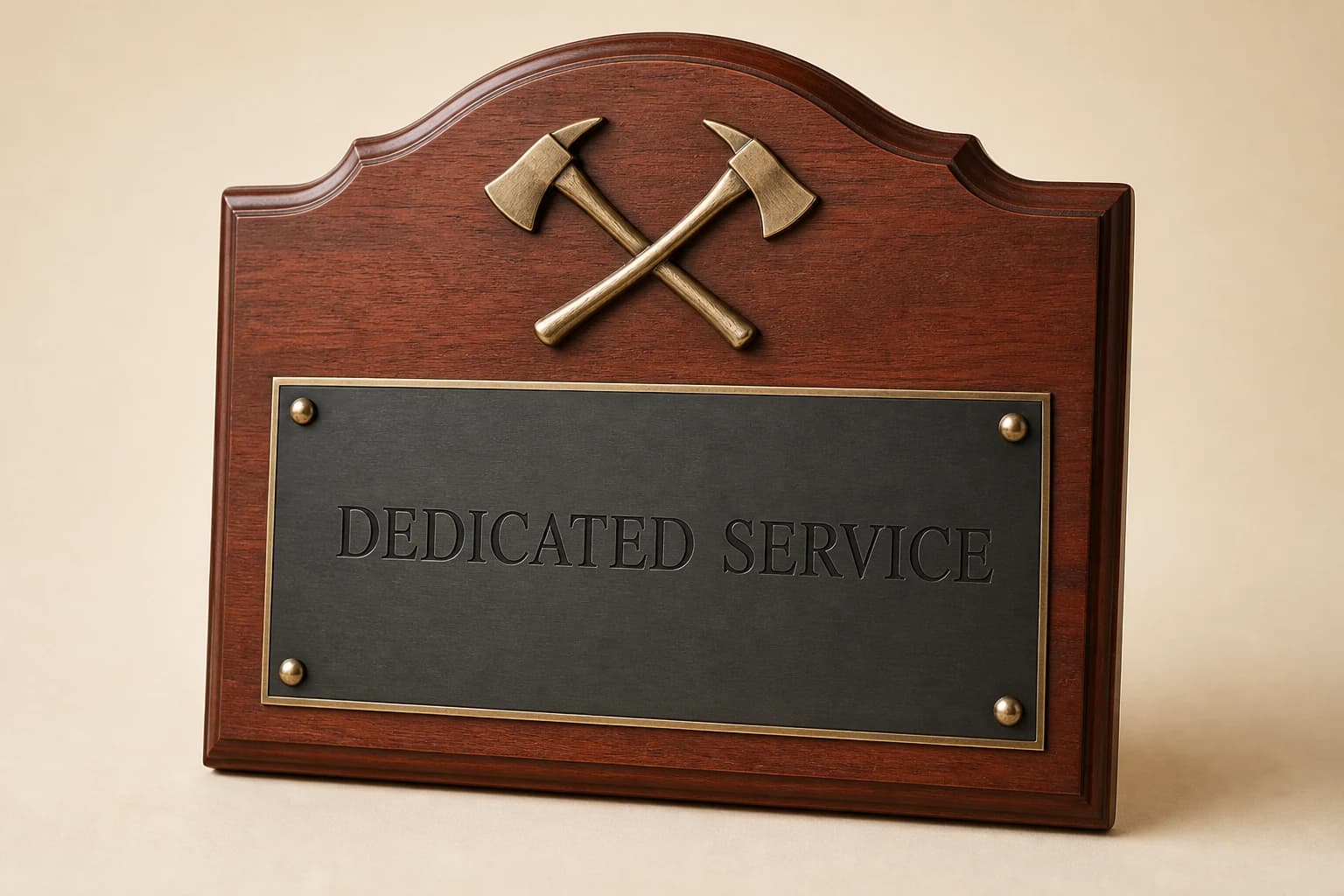
How do you compare several neighboring entries?
Look at more than one adjacent plate when determining the intended text style and arrangement. An older board may contain previous corrections or inconsistent batches. Ask the station owner which version should guide the new plate rather than assuming the nearest entry is the standard.
Record the approved name format, role line, date format and alignment. If the organization wants to correct an inconsistency across a whole group, describe that broader scope separately from one replacement. The supplier should not silently redesign neighboring records because a new plate highlights an old difference. A deliberate reference choice lets the replacement fit the approved system without treating every historical variation as an instruction.
How do you approve corrected wording independently from matching?
A plate can match the existing dimensions while carrying a newly authorized correction. Keep the previous text and the requested replacement text in separate fields, with the reason for the change retained privately. Ask the authorized department contact to confirm the name, role and service statement.
Do not assume that an inscription on the old plate is accurate simply because it has been displayed for years. Conversely, do not modernize a historical title or date without approval when the request is only to replace a damaged component. The physical match and the editorial correction are different decisions. Show both clearly in the proof so the reviewer can confirm what is being reproduced and what is intentionally changing.
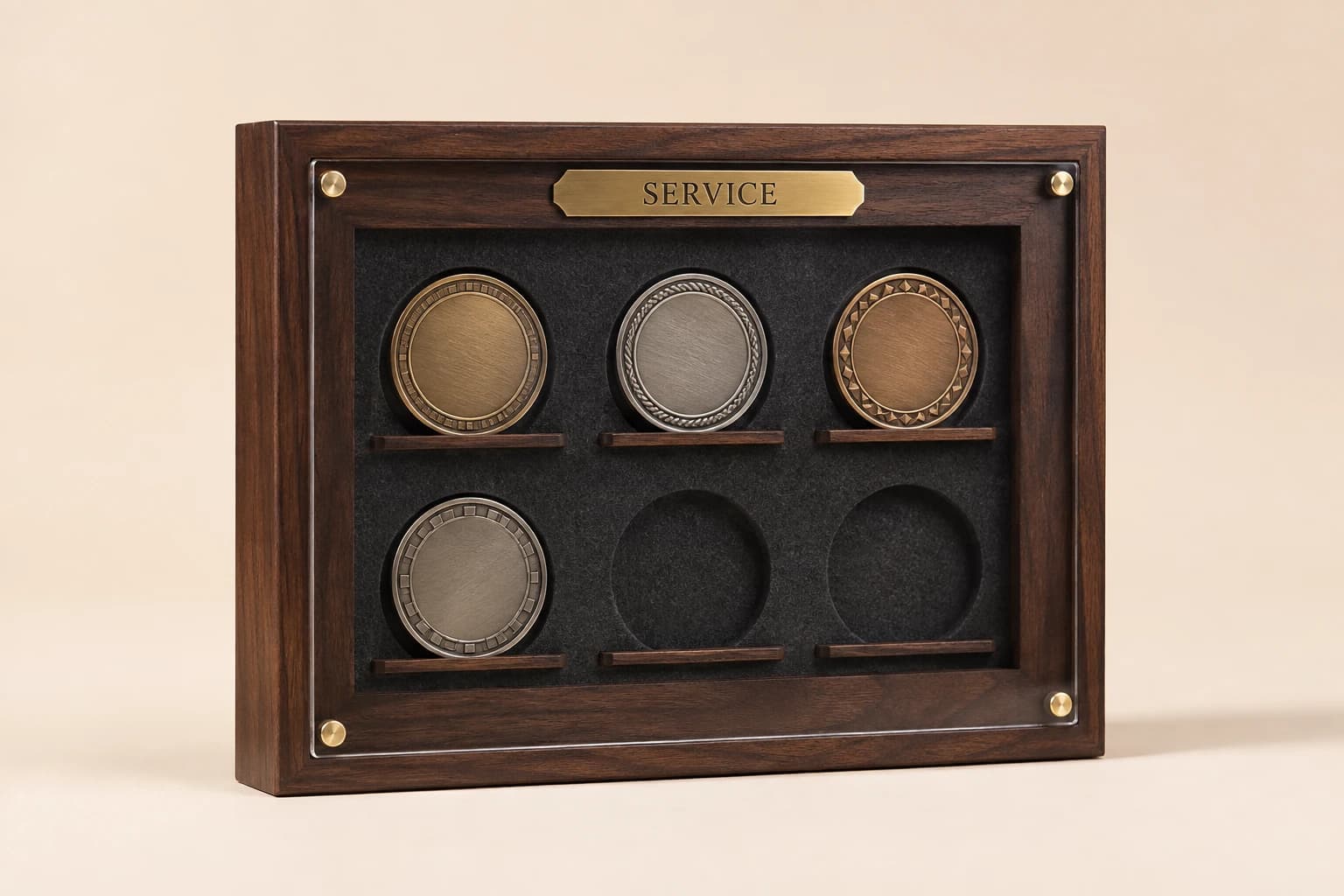
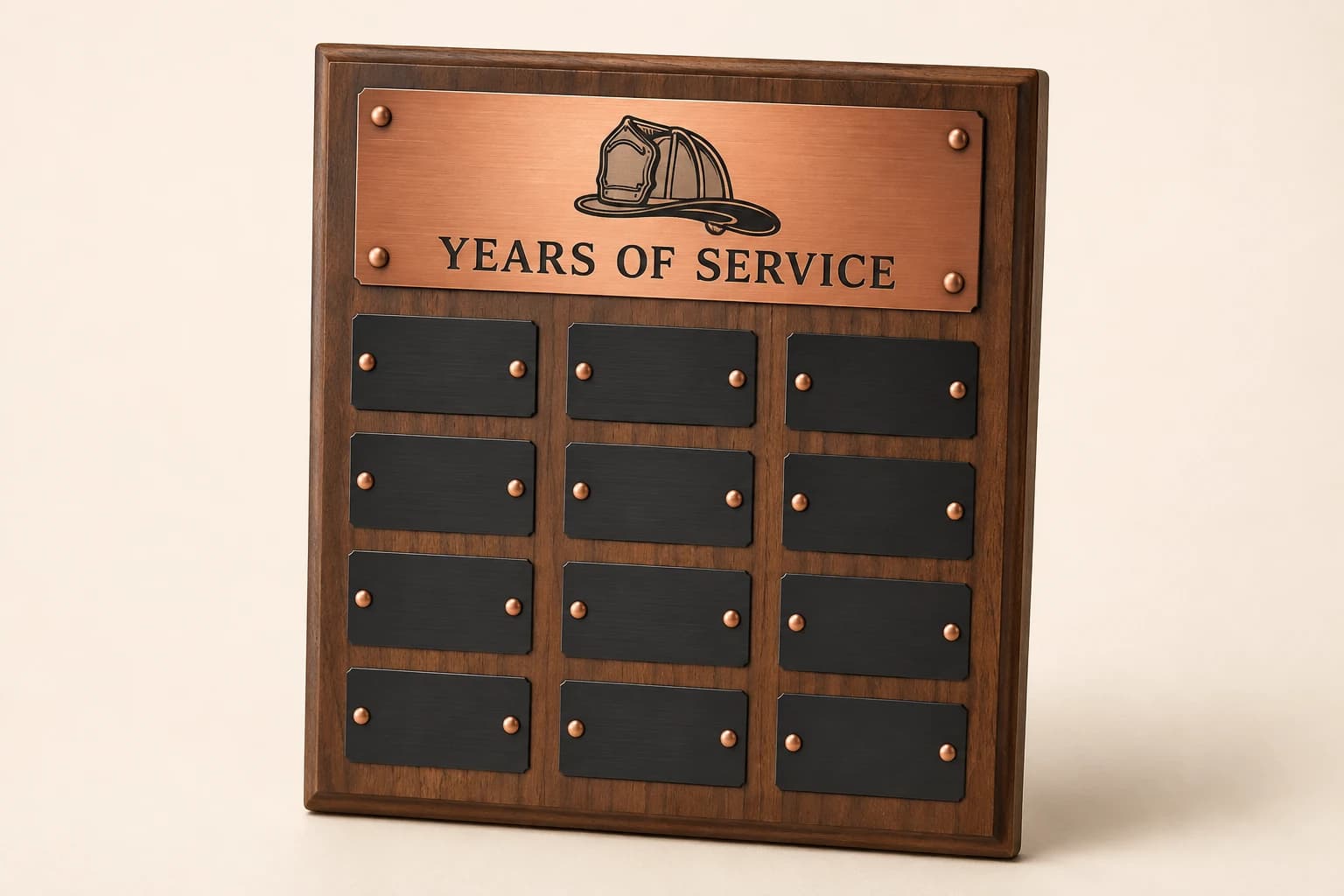
How do you discuss the proposed visual match realistically?
Provide the supplier with the available component reference, finish description and contextual photographs. Ask for a proposal explaining how the replacement is intended to relate to the existing board. Do not promise an invisible match based on a material name or a screen image; existing components may have changed in appearance over time.
If exact-looking continuity is essential to the station, consider a reviewed sample or a deliberate group replacement proposal. The station owner should choose that scope after seeing the implications. Keep color and finish expectations in the written brief, but recognize that a photograph alone cannot establish every physical property. The objective is an informed compatibility decision rather than an unsupported guarantee.
How do you use the position identifier through packing and installation?
Label the replacement package with the board and position identifier so the correct plate reaches the correct location. If several stations order similar plates, a name alone may not be enough to distinguish the destination. Keep any project-specific installation instructions from the responsible professional with the appropriate component.
Ask the receiver to compare the plate and proof before altering the existing display. If the delivered item does not match the approved dimensions or text, identify the discrepancy before proceeding. A replacement order should not depend on an installer guessing which of several similar openings the new piece was intended to fit.
Use the article’s example files
Sample rows are illustrative and are not production instructions. Replace their assumptions, keep private records separately and complete the approval fields before using the sheet for a real order.
How do you create a better reorder reference after the repair?
Retain the approved replacement drawing, exact text and component identifier with the board’s location record. Record which position was updated and whether any authorized change affected the layout. A future coordinator can then request a compatible component from known information instead of repeating the same measurement exercise unnecessarily.
If another board differs, keep it under a separate reference rather than merging similar-looking records. Store a photograph of the completed arrangement for context, while preserving the written dimensions and approved wording as the more precise specification. The repair should leave the station with a clearer record of what it owns and how the next replacement can be described.
PlaqueMaker describes reordering individual plates for its perpetual plaques.
Sources: PlaqueMaker: Custom Perpetual Plaques and Name Plates
How do you test the tightest existing interface first?
If the batch includes several holder types, identify the one with the least confirmed clearance or the most unusual shape. Ask for its compatibility review early enough that the result can inform the remaining proposal. Do not treat a successful fit in a wider holder as evidence for a narrower opening.
Record which measurements and component references each reviewed example covers. Where two holders are confirmed equivalent, the order can group them deliberately; where they differ, keep separate rows. This is a practical way to focus review effort on the uncertainty that could affect the repair, while avoiding an unsupported assumption that every station’s visually similar board uses the same plate construction.
How does this illustrative planning example work?
For a fictional repair batch, three individually identified stations each need two replacement nameplates, and one additional corrected plate is approved for a separate board. With explicitly approved zero spares, the order contains seven plates: three times two plus one.
The worksheet assigns each plate to a board and position; it does not assume all seven share the same dimensions merely because the count fits one purchasing total. Enter three station batches at two replacement plates per batch, plus one additional corrected plate for a separate board and zero spares. Three times two is six; adding the corrected plate gives seven. Each of the seven still needs its own board and position reference. If the additional plate belongs to a different holder, keep that measurement distinction visible. The single quantity total is useful for purchasing, but it does not establish that one dimensioned drawing covers every component in the batch.
Optional calculation: Count replacements across identified station boards
Single compatible replacement or Reviewed group refresh: which fits the intended recognition?
A single compatible replacement can address one identified plate while retaining the surrounding display. A reviewed group refresh can deliberately change several neighboring entries when that better fits the approved visual plan. Compare measured compatibility and wording first; a phone photograph alone cannot establish an exact material, finish or interface match.
| Option | Single compatible replacement | Reviewed group refresh |
|---|---|---|
| Best reason to choose it | Choose this when the existing board and component can be identified and the station wants a limited repair or addition. | Choose this when several inconsistent or damaged entries justify a deliberate broader replacement scope. |
| Main review question | Have the dimensions, interface, reference style and exact text been verified for this position? | Which historical wording remains unchanged and which visual differences are being intentionally standardized? |
| What to specify | Provide the board identifier, measured component details, approved inscription and intended location. | Provide the affected position list, shared style reference and separate approval for any text corrections. |
| Later change | A future replacement starts from the recorded board position, dimensions and exact approved inscription. | A broader refresh identifies every affected entry so a visual matching decision does not silently rewrite historical wording. |
What should the organizer confirm before ordering?
Identify the affected board and position before requesting a replacement match. A damaged plate, corrected name and new entry can use different approval paths despite similar dimensions. The quote should preserve the actual interface groups and explain any proposed broader refresh, while the worksheet keeps each replacement linked to its intended location.
What affects the cost of a replacement nameplate batch?
For Station House Awards, provide the board references, measured plate interfaces, approved wording and actual quantities before requesting the minimum or range. Separate any proposed group refresh from the individual repair scope, and identify shipping. Several plates can share a purchasing total while still requiring different drawings or construction reviews for their existing holders.
Can a phone photograph establish an exact match?
Use the photograph as context alongside written dimensions and known component references. Lighting, perspective and image compression can conceal finish and interface differences. Ask for the proposed match against the actual existing arrangement and review it realistically; do not treat a visually similar online plate as proof of compatibility.
Should all neighboring plates be replaced to match one repair?
Make that a deliberate visual and cost decision after comparing the proposed single replacement with the surrounding entries. A broader refresh may change more historical components than the original repair requires. Ask the station custodian to approve the affected positions and wording rather than allowing a matching concern to expand the order silently.
How do corrections differ from damage replacements?
A damaged plate may reuse its approved historical text, while a corrected inscription needs a new wording decision. Record the request type beside the board and position identifier. Matching dimensions does not authorize a spelling or date change, and a corrected name should not be released without confirming which existing entry it replaces.
Does the seven-plate example assume one common size?
No. Three station batches each need two replacements, with one additional corrected plate for a separate board and no spares. The total is seven, but each plate retains its board and position reference. Keep any differing holder measurements visible before deciding which rows a single dimensioned drawing can cover.
Sources and scope
The sources below support the cited technical details. The ordering workflows are editorial recommendations. Your project specification, price and schedule are established in the written quote and approved proof.
- PlaqueMaker: Custom Perpetual Plaques and Name Plates · checked 2026-09-05
Which buying guide should you read next?
All buying guidesFor worldwide Station House Awards orders, choose a retirement gift for the individual’s take-home appreciation and a station board entry for a continuing institutional record. Their wording, ownership and later-update rules differ. If the ceremony includes both, count two physical pieces per approved pair and release separate proofs for their respective uses.
For worldwide Station House Awards orders, label the firefighter’s role and each service period by what they actually describe. Department service, station assignment, retirement and presentation dates can differ. Ask the authorized reviewer to approve their meaning before refining abbreviations or calculating any tenure total for the finished recognition gift.